

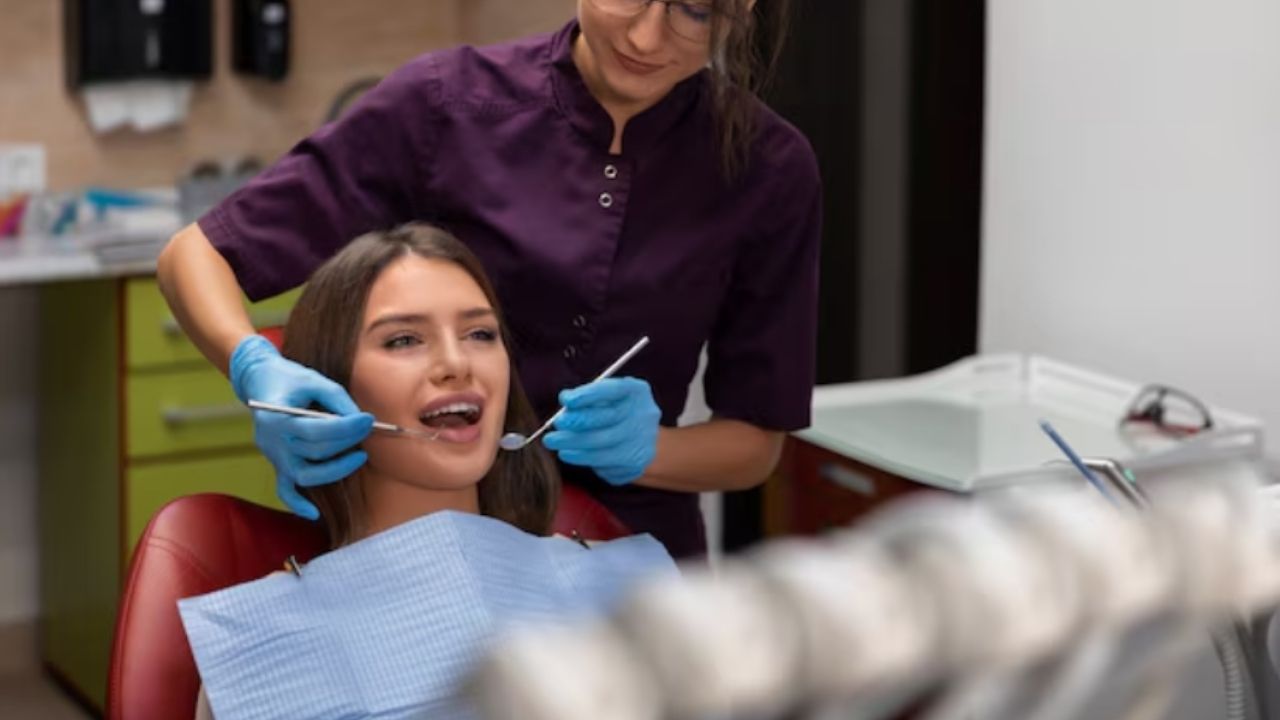
Orthodontic treatment types continues to advance rapidly, offering patients more comfortable, effective, and aesthetic solutions than ever before. In 2026, orthodontics plays a key role not only in straightening teeth but also in correcting jaw displacement, improving bite alignment, supporting oral health, and enhancing facial harmony. Modern treatment options are designed to be highly personalized, meaning every patient receives a plan tailored to their dental and skeletal needs.
For many individuals experiencing bite problems or jaw misalignment, orthodontics is also the first step in managing conditions such as jaw displacement. In some cases, orthodontic treatment alone corrects alignment — and in more complex cases, it works together with jaw surgery to restore ideal function and balance.
What Is Orthodontic Treatment?
Orthodontic treatment focuses on aligning the teeth, jaws, and bite using controlled, gradual movement. Beyond aesthetics, properly aligned teeth improve chewing, speech, jaw comfort, and long-term dental health. Modern orthodontics is designed to be discreet, efficient, and comfortable — making it suitable for children, teenagers, and adults alike.
In addition to improving dental alignment, orthodontic treatment supports airway function, TMJ comfort, and facial balance, contributing to both health and self-confidence.
Most Common Orthodontic Treatment Types in 2026
Most Common Orthodontic Treatment Types in 2026
Today’s orthodontic solutions give patients more choice than ever before. Below are the most widely used orthodontic treatment types in 2026 — each developed to meet different needs and lifestyle preferences.
Traditional Metal Braces
Metal braces remain one of the most effective and reliable orthodontic treatment methods. Brackets are attached to the teeth and connected with a thin wire to gradually reposition them. They are especially useful for complex bite and jaw displacement cases due to their high level of control.
Ceramic (Clear) Braces
Ceramic braces function like metal braces but use tooth-colored or clear brackets that blend more naturally with the teeth. They are a popular option for adults and teenagers who want effective treatment with a less noticeable appearance.
Lingual Braces
Lingual braces are attached to the inner surface of the teeth, making them completely invisible from the outside. They provide strong mechanical control while maintaining aesthetics — although they may take some time to get used to.
Clear Aligners
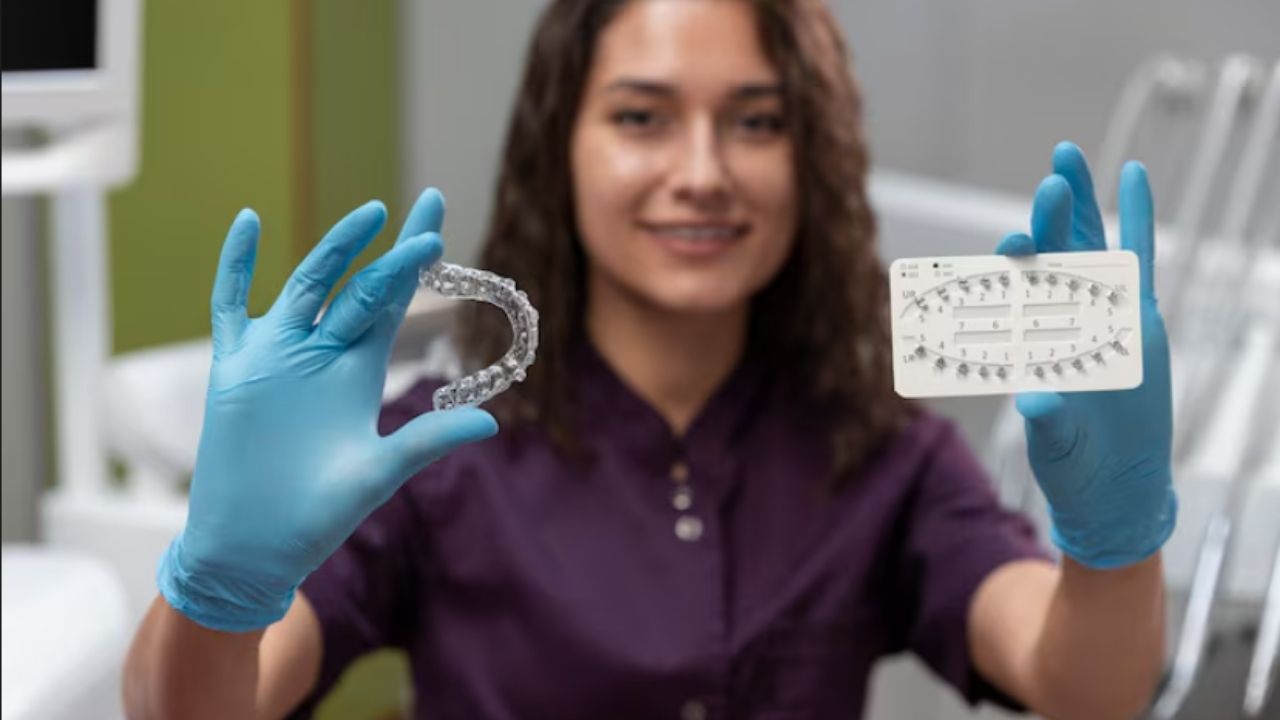
Clear aligners are removable, transparent trays that gently move the teeth into alignment. They are one of the most in-demand orthodontic options in 2026 thanks to their comfort, flexibility, and nearly invisible design. They are ideal for mild to moderate alignment issues and lifestyle-focused patients.
Self-Ligating Braces
Self-ligating braces use a built-in sliding mechanism instead of elastic ties, allowing smoother tooth movement and reducing chair-time. They are often faster and more comfortable than traditional systems.
Orthodontic Appliances for Jaw Correction
In growing children and teenagers, special orthodontic appliances can guide jaw development, preventing severe displacement later in life. These devices help align the upper and lower jaws, support airway development, and reduce the need for future surgical correction.
The Link Between Orthodontics and Jaw Displacement Treatment
Jaw displacement can affect chewing, facial symmetry, speech, breathing, and TMJ health. Modern orthodontics plays a crucial role in diagnosing, managing, and correcting these problems. In some cases, orthodontic treatment realigns the teeth and bite sufficiently — while in more severe skeletal displacement, it works alongside corrective jaw surgery.
Orthodontics Before Jaw Surgery
Before orthognathic surgery, orthodontic treatment is used to position the teeth correctly so the jaws can be realigned predictably during surgery. This stage is essential for long-term bite stability and facial balance.
Orthodontics After Jaw Surgery
After surgery, braces or aligners fine-tune tooth alignment and bite closure, helping stabilize the new jaw position. This combined approach offers the best functional and aesthetic results.
Benefits of Orthodontic Treatment in 2026
Modern orthodontic treatment provides far more than a straight smile. Patients benefit in several important ways:
- Improved bite and chewing efficiency
- Reduced TMJ strain and jaw discomfort
- Better oral hygiene and cavity prevention
- Enhanced facial symmetry and profile
- Clearer speech and improved breathing in some cases
- Long-term protection of teeth from abnormal wear
These health-focused benefits reflect the growing importance of orthodontics as a full-spectrum treatment — not just a cosmetic option.
Choosing the Right Orthodontic Treatment
The best orthodontic treatment depends on factors such as jaw structure, bite alignment, age, dental health, lifestyle preferences, and treatment goals. Digital imaging, 3D scanning, and personalized planning — now standard across modern orthodontics — ensure the most precise and predictable results.
A Consultation Is the First Step
An orthodontic evaluation includes a physical exam, X-rays or 3D imaging, bite assessment, and discussion of treatment options. Your orthodontist will recommend the most appropriate system for your needs and timeline.
Frequently Asked Questions
Orthodontic treatment types in 2026 reflect a significant evolution in comfort, technology, and personalization. Whether correcting jaw displacement, aligning the bite, or enhancing smile aesthetics, orthodontics remains one of the most effective ways to improve both oral health and quality of life.
From metal braces to invisible clear aligners, the right treatment — chosen with expert guidance — ensures not only a straighter smile but also healthier function, improved confidence, and long-term stability.
What are the main types of orthodontic treatment?
The main orthodontic treatment types include traditional metal braces, ceramic (clear) braces, lingual braces, clear aligners, self-ligating braces, and functional appliances for jaw correction. Each option is chosen based on the patient’s dental condition, jaw structure, lifestyle, and treatment goals.
What is the difference between metal braces and ceramic braces?
Metal braces are made from stainless steel and are very strong, making them ideal for complex orthodontic cases. Ceramic braces work in the same way but use tooth-colored or clear brackets, making them less noticeable and more aesthetic.
What are clear aligners and who are they suitable for?
Clear aligners are removable, transparent trays that gently move the teeth over time. They are best suited for mild to moderate alignment problems and are popular among adults who prefer a nearly invisible treatment option.
What are lingual braces?
Lingual braces are attached to the inner surfaces of the teeth, making them invisible from the outside. They provide strong control like traditional braces but may require a short adjustment period due to their position inside the mouth.
What are self-ligating braces?
Self-ligating braces use a built-in sliding mechanism rather than elastic ties to hold the wire in place. This allows smoother and often faster tooth movement with fewer orthodontic visits and less friction.
What are functional orthodontic appliances?
Functional appliances are devices used especially in growing children to guide jaw development and correct skeletal growth problems. They help improve bite alignment early, reducing the need for surgery later in life.
Can orthodontic treatment correct jaw displacement?
Yes. In mild to moderate cases, orthodontic treatment can correct bite alignment and jaw imbalance. In more severe skeletal displacement, orthodontics is combined with corrective jaw surgery to restore proper function and facial symmetry.
Which orthodontic treatment works the fastest?
The speed of treatment depends on the complexity of the case rather than the type of appliance. However, self-ligating braces and some clear aligner systems may allow smoother movement and shorter treatment times in suitable cases.
Is orthodontic treatment only for children?
No. Adults of all ages can receive orthodontic treatment. Modern technology such as clear aligners and ceramic braces makes treatment more comfortable and discreet for adult patients.
How do I choose the best orthodontic treatment type for me?
The best treatment is determined after a professional examination that includes X-rays, digital scans, and bite analysis. Your orthodontist will recommend the most effective and comfortable option based on your dental structure, expectations, and lifestyle.